Spiritual Disciplines for a Busy Life
Prayer, scripture, rest, and generosity aren't boxes to tick to earn God's favor. A grace-filled, practical guide to making space for God when life is full.

For a long season of my life, the phrase "spiritual disciplines" made me tired before I even tried any of them. It sounded like one more list of things I was failing at — alongside the gym, the unread books, the emails I owed people. I wanted depth with God. I genuinely did. But between work, the commute, the side hustle, the family obligations, and a phone that never stopped buzzing, the idea of a long quiet morning with scripture felt like a luxury that belonged to monks and retired pastors, not to a young person trying to make a living.
I am writing this for the version of me who felt that way, and for anyone who feels it now. Not from a place of having figured it out, but from a place of having slowly let go of a lie I believed for years — the lie that the disciplines were a test, and that being busy meant I was destined to fail it.
The reframe that changed everything for me
Here is the thing I wish someone had told me plainly. Prayer, scripture, silence, rest, generosity, community — these are not entrance exams. They are not a tally God keeps to decide how pleased he is with you. They are not the price of admission to his love.
They are ways of making space.
Think about any relationship that matters to you. You do not text your closest friend, or sit with your mother, or call your spouse because it earns you their affection. You already have it. You do those things because love wants nearness, and nearness takes a little intention. Left to drift, even good relationships go quiet — not because the love died, but because nobody made room.
The disciplines are simply the ways we make room for the One who already loves us. Prayer makes room to talk and listen. Scripture makes room to be addressed by something other than our own thoughts. Silence makes room to actually hear. Rest makes room to remember we are not God and the world will keep turning without us. Generosity makes room in our grip so money does not quietly become our master. Community makes room for others to carry what we cannot carry alone.
None of it earns anything. All of it shapes us.
Why it feels so impossible right now
Let me be honest about the obstacles, because pretending they are small does not help anyone.
We are busier than almost any generation before us, and the busyness is not all bad — many of us are the first in our families with this kind of opportunity, and we are working hard to honor it. But ambition has a shadow. The hustle whispers that every hour not spent producing is an hour wasted. Rest starts to feel like laziness. Stillness feels like falling behind.
Then there is the phone, which I have written about at length in Keeping Faith and Focus in the Age of Endless Feeds. It is engineered to fill every gap of silence — the queue, the walk, the moment before sleep — with someone else's life. The very spaces where prayer used to live are now colonized by the scroll.
And underneath it all is exhaustion, and comparison. You open an app and somebody is up at 4 a.m. journaling by candlelight with their leather Bible and their perfect coffee, and you think: I will never be that person, so why bother starting. Comparison is a thief that talks you out of the small faithful thing by holding up an unreachable ideal.
I name these not to discourage you but to take the weight off your shoulders. If you have found this hard, you are not lazy or spiritually broken. You are a normal person living in a world engineered to keep you distracted and depleted. The goal is not to become a different kind of person with more hours in the day. It is to make space inside the life you actually have.
Start tiny, and attach it to something you already do
The single most useful thing I have learned is this: do not try to add a new block of time to a day that has no spare time. Attach the practice to something you are already doing.
You already commute. You already make tea or coffee in the morning. You already eat. You already lie down at night. These existing routines are scaffolding — anchors you can hang a small practice on so it does not depend on willpower you do not have.
A short prayer while the kettle boils. One slow reading of a short passage on the daladala or the bus, before the phone comes out. A few breaths of gratitude before the first bite of lunch. A single honest sentence to God as you lie down — even just thank you, or help. These take seconds, not hours, and seconds done daily will form you more deeply than hours done once and abandoned.
Tiny and consistent beats heroic and unsustainable. Every time. A small flame kept burning is worth more than a bonfire you light once and watch go out.
A simple rhythm you can actually keep
When people ask me where to begin, I do not hand them a thick devotional plan. I offer a skeleton — a few touch points across the day, each tiny, each attached to something already happening. You can flesh it out later. For now, here is a rhythm built for a full life, not an empty one.
How-to
How to build a simple, sustainable daily rhythm with God
A grace-filled, beginner-friendly daily rhythm designed for busy people — tiny practices attached to routines you already have, so depth with God fits inside real life instead of competing with it.
Estimated time: P1D
- 01
Begin before the phone
Keep your phone out of reach overnight so it is not the first thing you grab. Let the first moment of your day be a single sentence to God — thanks, or surrender, or simply 'be with me today' — before the feed has the first word.
- 02
Anchor a short reading to your morning routine
While the kettle boils or you wait for transport, read one short passage of scripture slowly, once. Do not aim for volume. Aim to let one true thing land. A few verses received are worth more than a chapter skimmed.
- 03
Pray in the in-between moments
Instead of fighting for a perfect quiet hour you do not have, turn the dead time you already have into prayer — the commute, the queue, the walk. Talk to God plainly, as you would a friend who is with you all day, because he is.
- 04
Pause briefly at a meal
Take a few seconds before eating to give thanks and to be present. This tiny pause trains you to notice grace in ordinary provision and breaks the autopilot of a rushed, distracted life.
- 05
Close the day with honesty
As you lie down, look back over the day with God for one minute. Name one thing you are grateful for and one thing you regret. No performance, no long script — just an honest word before sleep.
- 06
Protect one longer space each week
Set aside one slightly longer, unhurried time each week — a Sabbath rhythm of rest and stillness. Guard it the way you would guard a meeting that matters. This is where the daily seeds get room to grow roots.
Notice that none of these require you to become a different person. They fit inside the day you already live. Start with one. Truly — just one. When it becomes natural, add another. The rhythm grows the way a friendship grows: not by force, but by faithfulness over time.
On rest, generosity, and not doing this alone
Three of the disciplines deserve a special word, because the busy life attacks them first.
Rest, or Sabbath, is the one ambition hates most. Scripture treats rest not as a reward for finishing your work — your work is never finished — but as an act of trust. To stop, deliberately, is to declare that you are not the one holding the world together. For those of us carrying real pressure to provide, this is hard and holy. Protecting one day, or even one evening, of genuine unhurried rest is itself a spiritual discipline, maybe the bravest one.
Generosity keeps money in its place. I have written more on this in A Christian View of Money, Work, and Ambition, but the short version is this: giving regularly, even small amounts, loosens money's grip on the heart before it can quietly become the thing you serve. It is a discipline that forms you precisely because it costs you something.
Community is the one we are tempted to skip when we are tired and stretched. But faith was never meant to be a solo project. The scriptures consistently picture a people, not isolated individuals — carrying each other, confessing to each other, spurring each other on. In our African context this comes more naturally than in some — we already know we belong to one another. Lean into that. Let people see your real life. You cannot sustain depth with God alone, and you were never asked to.
When you miss a day — and you will
Here is the most important thing I can leave you with. You will miss days. You will miss weeks. There will be seasons of deadlines, sickness, exhaustion, and plain forgetfulness where the rhythm falls apart entirely.
That is not failure. That is being human.
The disciplines are not a streak to protect, like an app counting your unbroken days. The God who meets us in them is not standing over the calendar with a red pen. When you miss, you do not start over from zero, in disgrace. You simply begin again, today, with the next small thing. Grace is not a reward for consistency. It is the very ground you start from, every single time, no matter how long the gap.
So if it has been a day, or a year, the invitation is the same and it is gentle. Make a little space. Say one honest sentence. Read one true line. Sit still for one minute. Not to earn anything — you cannot, and you do not have to. But because love wants nearness, and nearness, even now, even for the busiest among us, only takes a little room.
Further reading on this site
- Keeping Faith and Focus in the Age of Endless Feeds
- A Christian View of Money, Work, and Ambition
- Browse Faith & Technology
Frequently asked questions
- I barely have ten free minutes a day. Can I really build a meaningful spiritual life?
- Yes — and ten minutes is more than enough to begin. The mistake most of us make is assuming depth requires long blocks of empty time we do not have. It does not. A short prayer, one slow reading, a moment of gratitude before a meal — these tiny practices, done daily and attached to routines you already have, form you more deeply over a year than an ambitious plan you abandon in a week.
- Doesn't focusing on disciplines turn faith into legalism and works?
- It can, if you treat them as a scorecard to earn God's approval. That is exactly the trap to avoid. The disciplines are not how you get God to love you — that love is already yours and cannot be earned. They are simply ways of making space to be formed by it. Keep the relationship at the center and the practices stay healthy. Make the practices the point and they curdle into legalism.
- I keep missing days and then giving up entirely. What should I do?
- Stop treating it as a streak to protect. Missing a day is not failure; it is being human in a busy world. When you miss, you do not restart from zero in disgrace — you simply begin again today with the next small thing. Grace is the ground you start from every time, not a reward for perfect consistency. Expect to miss, and decide in advance that missing will not make you quit.
- Where should a complete beginner actually start?
- Pick one tiny practice and attach it to something you already do. The easiest is usually this: keep your phone out of reach overnight, and let the first moment of your morning be a single honest sentence to God before you scroll. Do only that for a couple of weeks. When it feels natural, add one more. One faithful small thing beats five ambitious ones you cannot sustain.
- Is rest really a spiritual discipline, or just an excuse to be lazy?
- It is a genuine discipline, and often the hardest one for ambitious people. Scripture treats rest not as a reward for finishing your work but as an act of trust — a deliberate way of declaring that you are not the one holding the world together. For those of us under real pressure to provide and achieve, stopping on purpose is brave, not lazy. Laziness avoids work; Sabbath rest is the intentional, trusting pause that the rest of the week depends on.
If this resonated, subscribe to the newsletter and I'll send the next reflection straight to you.
The Newsletter
Liked this essay?
Get the next one in your inbox. One thoughtful email a week, nothing more.
Keep reading
Related articles

Will AI Kill Our Faith? An Honest Christian Take for 2026
An honest Christian look at whether AI will kill our faith — what outsourcing thinking, awe, and patience to machines does to the soul.
June 13, 2026 · 7 min read
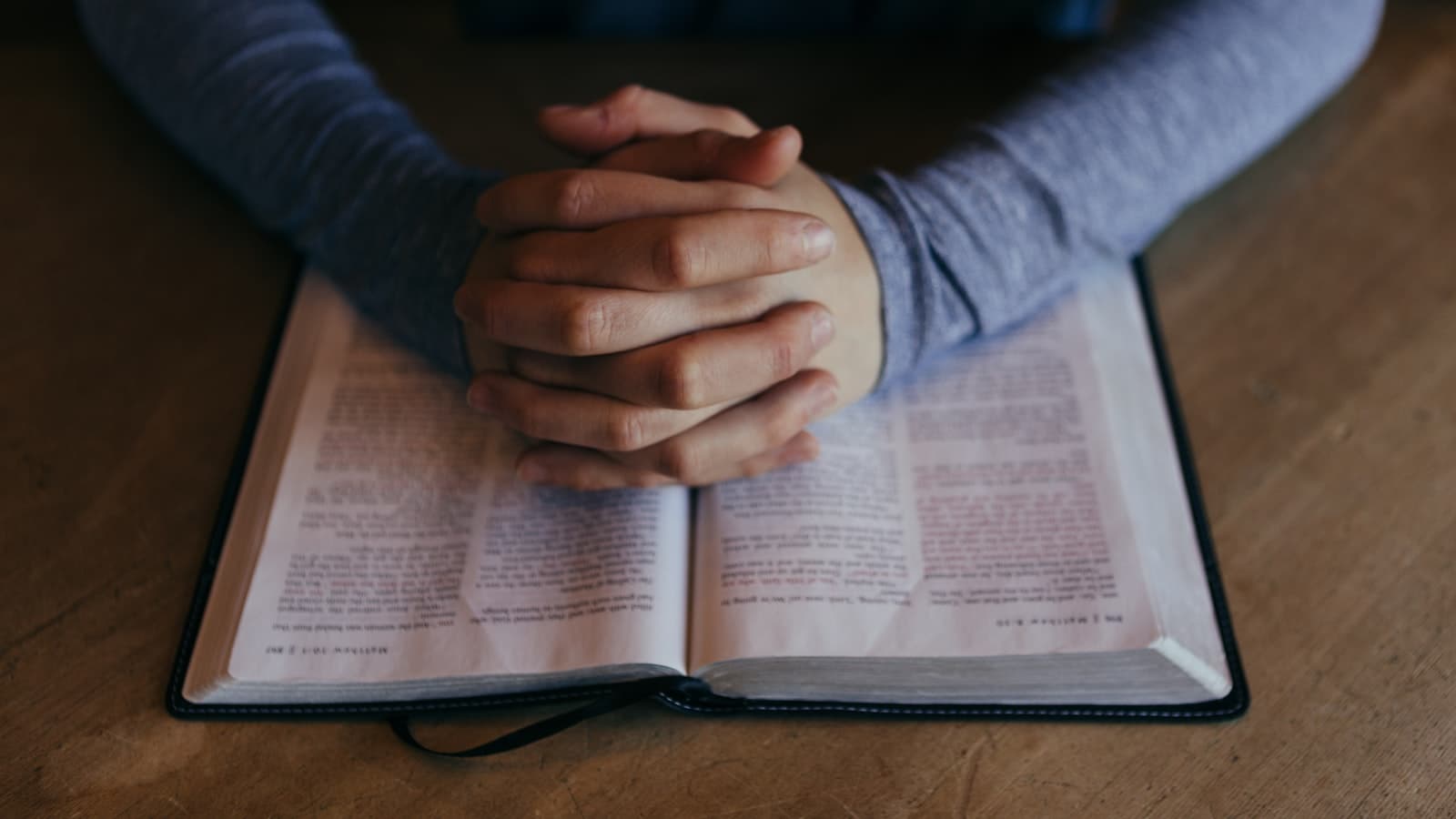
What to Ask the Holy Spirit, and What to Ask ChatGPT
A practical framework for the believer in the AI age — when to ask ChatGPT for information and when to seek the Holy Spirit for wisdom and discernment.
June 11, 2026 · 8 min read
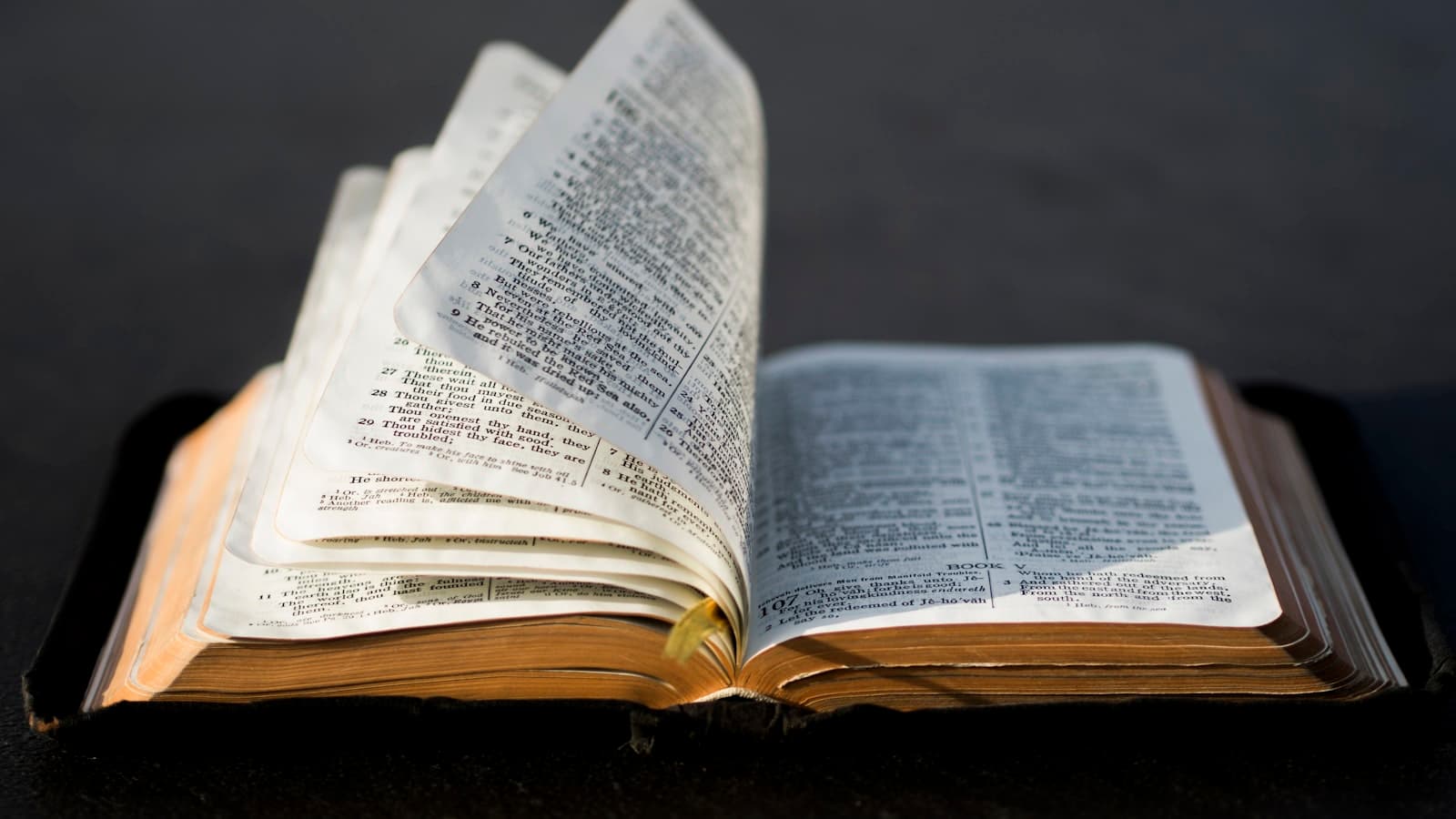
Should Christians Use AI? A Balanced, Practical Guide
Can Christians use AI in good conscience? A calm, honest look at the good uses, the real cautions, and practical guardrails for faithful living.
June 9, 2026 · 8 min read