How to Build a Portfolio Website That Gets You Hired
A practical guide to building a portfolio website that wins work and jobs — what to include, what to cut, where to host it free, and how to ship it fast.
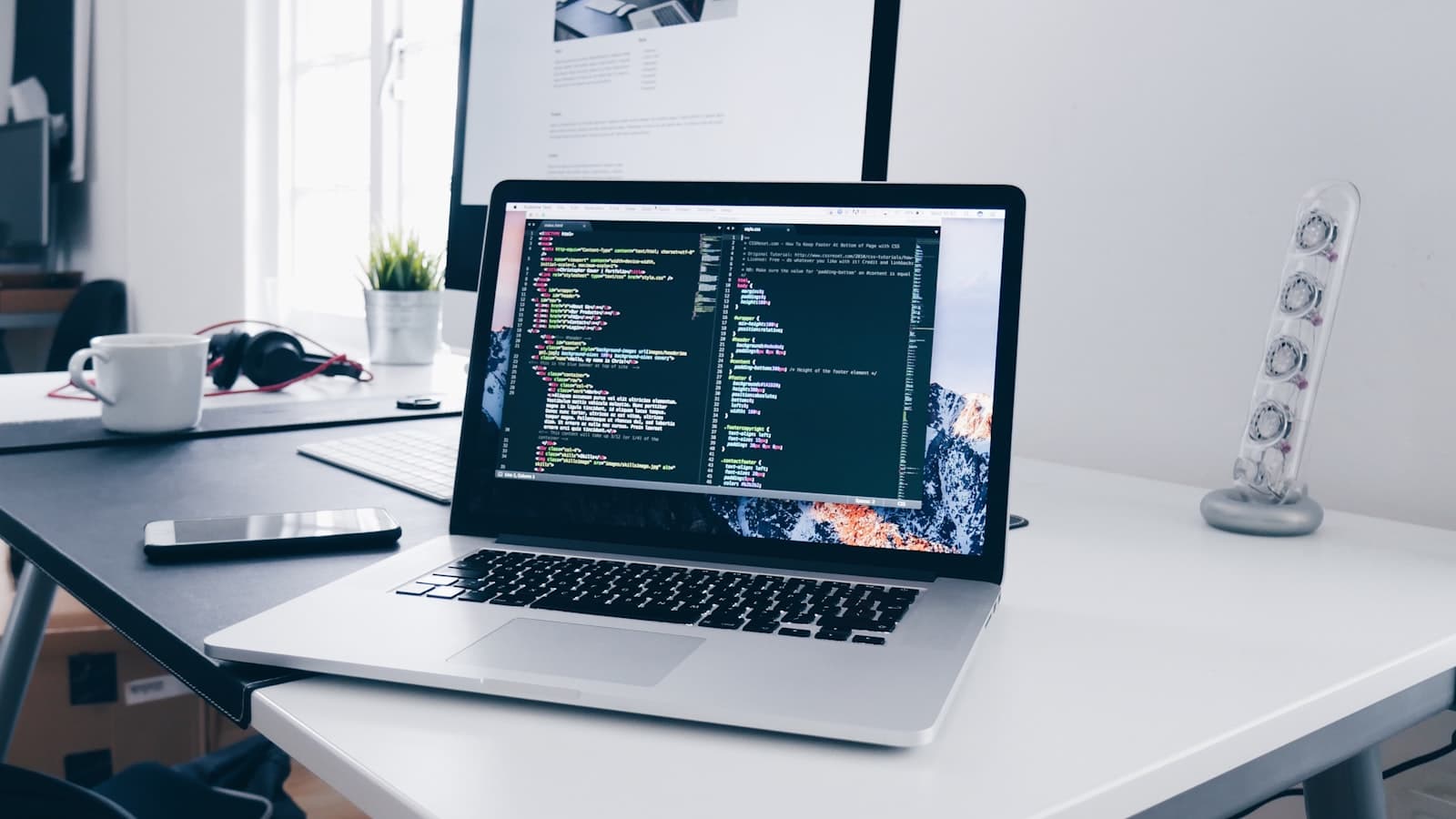
Let me say the uncomfortable thing first: your portfolio matters more than your CV. A CV is a list of claims. A portfolio is the proof. When someone is deciding whether to pay you or hire you, claims are cheap and proof is rare — and almost nobody competing against you has bothered to build the proof. That gap is your opening.
I have sat on both sides of this. I have sent CVs into silence, and I have also been the one looking at applicants. The candidates who got a reply were not the ones with the longest list of skills. They were the ones who attached a link and said, quietly, "here is something I made." A link cuts through the noise because it removes the guesswork. The person reading it does not have to trust you — they can just see.
This is especially true for those of us building careers from Africa, applying to clients and companies who have never met us and may carry quiet doubts. A working portfolio is the fastest way to retire those doubts. It does not argue. It demonstrates. So let's build one that actually earns work, and let's keep it honest and simple.
Why proof beats claims
A CV says "proficient in design." A portfolio shows the logo you made, the brief behind it, and what changed for the business after. One of those is a sentence anyone could type. The other is evidence.
When a client visits your portfolio, they are silently asking three questions: Can this person do the work? Have they done it before? Will it be a pleasant experience working with them? Your job is to answer all three without making them dig. A CV barely touches the first question. A good portfolio answers all three at once — the work shows competence, the examples show experience, and the way you present everything shows how you think and communicate.
There is also a psychological shift that happens when you have a link to share. You stop pleading and start presenting. "Please consider me" becomes "here is my work, judge for yourself." That confidence is real, and people feel it.
What to include (and how to frame it)
The instinct of every beginner is to show everything. Resist it. A portfolio is not an archive — it is a curated argument that you are worth hiring. Here is what actually belongs.
Three to five of your best projects. Not your most recent. Not all of them. Your best. Quality is the entire signal here; one weak project drags down the strong ones beside it. For each project, do not just paste an image and move on. Tell the small story:
- The problem. What did the client or situation need? "A local bakery had no way to take orders online."
- What you did. Your actual contribution. "I built a one-page site with a WhatsApp order button and a simple menu."
- The result. What changed. "They started taking orders the same week." If you have a number, use it — but never invent one. "Three new orders in the first weekend" is honest and persuasive. A made-up "300% growth" will collapse the moment anyone asks.
This problem-action-result structure is the difference between a gallery and a portfolio. The gallery says "look, pretty." The portfolio says "look, useful."
A clear about section. A few human sentences: who you are, what you do, who you help. Not a life story. People want to know they are dealing with a real, reachable person, not an anonymous skill listing.
A way to contact you. This sounds obvious, yet I have seen beautiful portfolios with no email, no form, no anything. Put it where it cannot be missed. An email address and a link to your professional profile is enough. Make hiring you the easy, obvious next step.
Testimonials, if you have them. Even one line from a satisfied client carries enormous weight, because it is someone other than you vouching for you. No clients yet? Skip this section entirely rather than fake it. An empty space is honest; a fabricated quote is a landmine.
What to cut
What you leave out is as important as what you include. Cut the school projects that no longer represent you. Cut the half-finished experiments. Cut the work you are lukewarm about — if you are not proud of it, it does not belong. Cut long autobiographies and walls of text. Cut every skill badge and progress bar claiming you are "85% proficient in Photoshop"; nobody believes them and they look amateur.
The hardest cut is your second-best work that you are emotionally attached to. Make it anyway. A portfolio of five excellent pieces beats a portfolio of fifteen where ten are mediocre, because visitors judge you by your weakest visible item, not your strongest.
The easy route vs building it yourself
Here you have a real decision, and the right answer depends on what you do.
The no-code / template route. Tools like a website builder, a portfolio platform, or a clean template let you have something live in an afternoon. For writers, marketers, virtual assistants, photographers, and most non-developers, this is exactly right. Your work is the product; the site is just the frame. Do not spend two weeks hand-coding a frame when a template displays your work beautifully today.
Building it yourself. If you are a developer or a designer, the medium becomes part of the message. A developer's portfolio that is fast, clean, and well-built is a work sample. A designer's site that is thoughtfully laid out demonstrates the exact skill they are selling. In these cases, building it by hand is not over-engineering — it is the strongest project in your portfolio. Just do not let the building become procrastination. Ship a simple version, then improve it.
The trap to avoid in both cases: choosing the route that lets you hide in busywork instead of finishing. The goal is a live link, not a perfect process.
Hosting it for free
You do not need to pay anyone to be online. Several solid options cost nothing:
- Static site hosts (the kind built for developers) will host a coded portfolio for free, often with a clean URL and good speed.
- Portfolio platforms designed for creatives offer free tiers with a hosted page you control.
- Free website builders let non-coders publish on a subdomain at no cost.
A free subdomain is completely fine when you are starting. The work matters far more than the address. Buy your own domain later, once the portfolio is earning — it is a nice upgrade, not a prerequisite. (If you want the full walkthrough on getting online at zero cost, I wrote one here: How to Build Your First Website for Free in 2026.)
Keep it fast and mobile-friendly
A large share of the people who open your link will do so on a phone, often on a slow connection — something we know well across much of Africa. If your portfolio takes ten seconds to load or breaks on a small screen, you have lost them before they saw a single project.
Two simple rules carry most of the weight. First, compress your images. Huge, uncompressed photos are the number one reason portfolios crawl. Second, test it on an actual phone before you share it. Open the link on your own device, on data rather than wifi, and fix whatever feels slow or cramped. A fast, plain site beats a gorgeous, sluggish one every time.
End with a clear call-to-action
Decide what you want a visitor to do next, then ask for it plainly. "Email me to discuss your project." "Available for freelance work — get in touch." "Looking for a junior developer role — here is my email." A visitor who is impressed but unsure what to do will simply close the tab. Tell them. The clearest path from "this is good" to "let's talk" is a sentence you wrote on purpose.
How-to
How to build and publish your portfolio this weekend
A two-day plan to take your portfolio from nothing to a live, shareable link without overthinking it.
Estimated time: PT8H
- 01
Choose three to five projects
List your best work and pick three to five pieces only. If you have no paid work, decide on a couple of self-initiated samples you can create or have already made.
- 02
Write the story for each
For every project, write three short lines: the problem, what you did, and the result. Keep it honest and specific. No invented numbers.
- 03
Pick your route
Non-developer: choose a free template or builder. Developer or designer: decide whether to hand-build a simple site or use a clean template. Choose the one you can finish, not the one that looks impressive on paper.
- 04
Assemble the page
Add your projects, a short about section, a clear contact method, and a testimonial if you have one. Compress every image before uploading.
- 05
Test on a phone
Open the site on your own phone using mobile data. Fix anything slow, broken, or hard to read on a small screen.
- 06
Publish and share the link
Put it live on a free host, add a clear call-to-action, then send the link to three people who might hire or refer you. Shipping today beats perfecting forever.
Ship the simple one now
The single most common failure is not a bad portfolio. It is the perfect portfolio that never goes live because it is "almost ready." I have watched talented people sit on an unpublished site for months, polishing pixels nobody will ever see, while a rougher version could have been winning them work the whole time.
A simple portfolio that exists beats a brilliant one that does not. You can improve it every month. You cannot improve something that is not online. So set the bar at "good enough to share," reach it this weekend, and publish. The work will grow as you do.
Frequently asked questions
- Do I really need a portfolio website if I have a CV?
- Yes, especially if you do any kind of creative, technical, or freelance work. A CV makes claims; a portfolio proves them. When two people apply and one has a working link to real work, the link almost always wins. The CV and portfolio work together — the portfolio is just the part people actually believe.
- What if I have no professional experience yet?
- Then create the proof. Build sample projects: redesign a local business's materials, build a small site, write articles in your target niche. Self-initiated work is real work, and nobody asks whether a sample was paid. Three strong samples beat an empty portfolio every time.
- Should I code my portfolio or use a template?
- It depends on what you do. If you are a developer or designer, building it well is itself a work sample, so hand-building can be worth it. For everyone else, a clean template or builder is perfectly professional and lets you ship in an afternoon. Either way, do not let the building become an excuse not to finish.
- How many projects should I show?
- Three to five of your best, never everything you have ever made. Visitors judge you by your weakest visible piece, so one mediocre project drags down the strong ones around it. Curate ruthlessly. Quality is the whole signal.
- Is a free subdomain good enough, or do I need my own domain?
- A free subdomain is completely fine when you are starting out. The quality of your work matters far more than the address. Buy your own domain later as an upgrade once the portfolio is bringing in work — it is never a reason to delay launching.
Further reading on this site
- How to Build Your First Website for Free in 2026
- How to Start Freelancing from Africa
- Building a Personal Brand as an African Technologist
- Browse Creator Economy
If this was useful, subscribe to the newsletter for more calm, practical guides like this one.
The Newsletter
Liked this essay?
Get the next one in your inbox. One thoughtful email a week, nothing more.
Keep reading
Related articles

Building a Personal Brand as an African Technologist
An honest, contrarian guide to building real reputation online — for engineers and builders from Africa who don't want to become 'creators'.
March 4, 2026 · 7 min read

How to Start a Tech YouTube Channel
An honest, anti-hype guide to starting a tech youtube channel with cheap gear, a clear niche, and the consistency that actually grows it.
June 12, 2026 · 12 min read
How to Use AI to Grow a YouTube Channel
An honest guide to using AI to grow a YouTube channel: where AI genuinely helps a creator, and where your voice and judgment must stay human.
June 12, 2026 · 11 min read