Is It Too Late to Learn to Code in 2026?
If AI writes code, why learn to code in 2026? An honest, anti-hype answer: it's not too late, but what and why you learn must change.
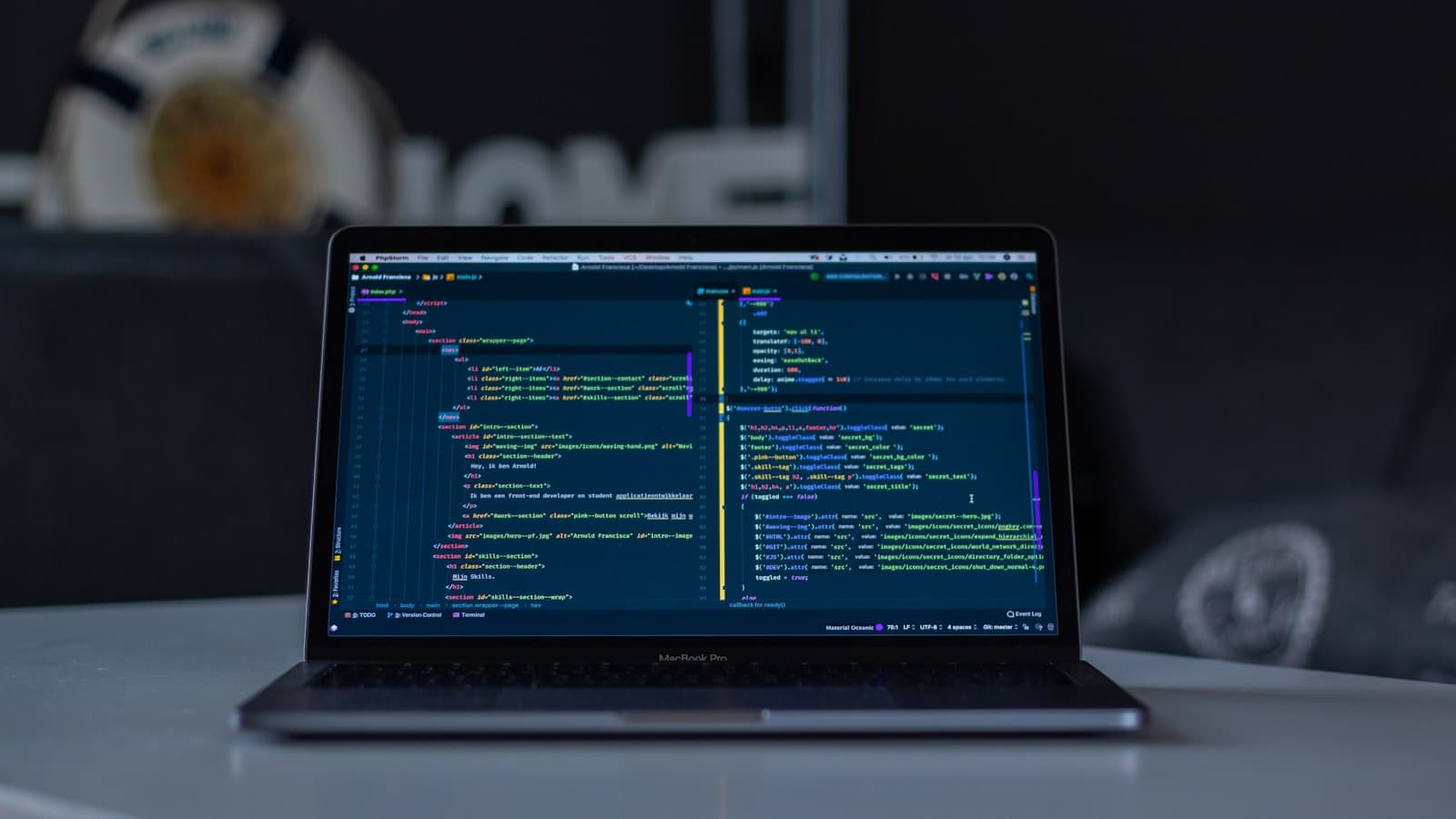
You've opened your laptop to start learning to code, and then the thought arrives like a small cold weight in your chest: what's the point? The AI can already write the function you were about to spend two weeks struggling to understand. You've seen the screenshots — a sentence in, a working app out. So you close the tab. Maybe you've closed it three or four times now. The fear is specific and it's reasonable: by the time you're any good, the machines will have made the skill worthless, and you'll have wasted a year you couldn't afford to waste.
I want to answer that fear honestly, because most of what's written about it is either hype ("learn to code and get rich!") or despair ("coding is dead"). Both are lazy. The truth is quieter and, I think, more encouraging: no, it is not too late. But what you learn and why you learn it should change. If you start in 2026 the way people started in 2016 — memorizing syntax, grinding tutorials, racing to recall — you'll be slow and frustrated. If you start the right way, AI is the best learning companion any beginner has ever had.
Let me walk through what's actually true.
The fear, taken seriously
Here is the part the hype merchants skip: yes, AI genuinely writes a lot of code now, and it writes a lot of it well. Boilerplate, simple functions, the kind of repetitive plumbing that used to eat afternoons — much of that is now a prompt away. If your mental image of "coding" was "typing out code from memory," then that image is fading, and you're right to notice.
But typing was never the valuable part. It was always the least valuable part. A person who could only type code, without understanding what it did or why, was never a good developer — they were a slow autocomplete. What AI has done is automate the cheap layer and make brutally visible the expensive one: knowing what to build, why, whether the output is correct, and what to do when it breaks at 2am with real users on the other side.
Coding literacy is more valuable now, not less
Think about it from the other direction. Millions of people are now producing code with AI who could not have produced it before. That sounds like the skill is devalued. It's the opposite. A flood of AI-generated code means a flood of code that someone needs to read, verify, fix, and connect to everything else. The bottleneck isn't generation anymore. It's understanding.
If AI hands you a hundred lines and you can't read them, you can't tell whether it's brilliant or quietly broken. You can't tell if it has a security hole, a performance trap, or a subtle bug that only shows up under load. You become entirely dependent on a tool that is confident even when it's wrong — and it is sometimes wrong. Coding literacy is what lets you stay in the driver's seat instead of being driven.
This is exactly why I keep telling people on this site that the goal has shifted. It's no longer "memorize the syntax." It's "understand the systems." You still need to know what a loop is, what a function does, how data moves through a program, what an API is, why one approach is slower than another. You just don't need to be able to summon every comma from memory anymore. The machine handles recall. You handle judgment.
Who should still learn? Almost anyone who wants to build
Let me be direct about who this is for, because "learn to code" gets aimed at everyone and that's dishonest.
You should still learn if you want to build things — apps, websites, automations, tools that solve a problem in front of you. You should learn if you want a career in or near software, even a non-coding one, because understanding how software is made makes you better at product, design, support, and management. And you should learn if you simply want to stop being a passenger in a world increasingly run by code you don't understand.
I'll add a note for those of us learning here on the continent. People sometimes ask me whether it's worth it given that the big tech jobs are elsewhere. It is — arguably more so. Remote and freelance work doesn't care which city you're in, it cares whether you can deliver. A laptop and a connection are now genuine economic infrastructure. The barrier was never your location. It was access to good guidance, and that gap is closing fast.
What to focus on now
So if it's not syntax-memorization, what is it? Here's what I'd point a beginner toward in 2026.
Fundamentals, deeply. Variables, loops, functions, conditionals, data structures, how a program actually executes step by step. These are the grammar of thinking like a programmer, and AI cannot do this part of the understanding for you — it can only explain it to you, which is different. Learn these slowly and properly. This is the foundation everything else stands on.
Problem decomposition. The real skill is taking a vague, messy problem ("I want users to be able to book appointments") and breaking it into pieces small and clear enough that they can be built. AI is fantastic at building a well-specified piece. It's useless at deciding what the pieces are. That decision is you.
Reading and judging code. Practice reading code you didn't write — including AI's output. Ask: what does this do? Is it correct? What happens if the input is empty, or huge, or hostile? This is the literacy that keeps you in control.
Working with AI tools, deliberately. Don't pretend they don't exist; don't let them think for you either. Use them the way a good apprentice uses a master: ask why, not just what. When AI gives you code, make it explain each line. When you're stuck, ask it to teach the concept, not just patch the symptom. (I've written more on choosing your tools in Claude vs ChatGPT: which AI should you use in 2026.)
If you want a concrete starting path, I laid one out in The Best Free Resources to Learn Coding in 2026 — you don't need to pay anyone to begin.
Realistic timelines, honestly
I won't insult you with "learn to code in 30 days." Here's roughly what's true, assuming steady, focused effort of an hour or two most days:
- Three months in, you can write small programs, read simple code, and understand what AI hands you most of the time. You are no longer a passenger.
- Six to nine months in, you can build a real, small project end to end — a working website or a useful tool — directing AI for the heavy lifting while you steer.
- A year or more in, you start having genuine judgment: knowing why one approach beats another, spotting the bug before it bites, designing rather than just assembling.
Notice that AI doesn't shrink these timelines to zero — but it does compress the painful, lonely middle. The hours you used to lose stuck on a cryptic error message with no one to ask are largely gone. That's the real gift.
How AI actually makes learning faster
This is the part I find genuinely exciting. When I was learning, being stuck meant hours of forum-trawling and guesswork. Today a beginner has a patient tutor available every minute of the day — one that never sighs, never makes you feel stupid, and will explain the same concept five different ways until one lands.
Used well, AI is the best teacher a beginner has ever had access to. Paste an error and ask why it happened. Ask it to explain a concept "like I'm twelve," then "like I'm a professional." Have it review your code and tell you not just what's wrong but what's fragile. The danger is only this: if you let it do the thinking, you learn nothing. If you make it do the explaining while you do the thinking, you learn faster than any generation before you.
It still takes effort. Real effort. There is no version of this where you absorb the skill while asleep. But the effort is now spent on understanding instead of on being stuck, and that's a far better trade.
Frequently asked questions
- If AI can write code, why should I bother learning it at all?
- Because you need to understand what the AI produces — to judge whether it's correct, safe, and right for the problem. AI generates code confidently even when it's wrong. Coding literacy is what keeps you in control rather than dependent on a tool you can't check. The skill moved from typing code to understanding and directing it.
- Is it actually too late to start in 2026?
- No. It's a genuinely good time to start, because AI removes much of the lonely, painful part of learning — being stuck on errors with no one to ask. What you should change is your approach: focus on fundamentals, problem-solving, and reading code, not memorizing syntax.
- How long until I can build something real?
- With steady effort of an hour or two most days, roughly three months to write small programs and read code confidently, and six to nine months to build a real end-to-end project. Genuine engineering judgment takes a year or more. AI compresses the frustrating middle but doesn't eliminate the effort.
- Should I use AI tools while learning, or will they make me lazy?
- Use them — deliberately. The rule is simple: make AI do the explaining while you do the thinking. Ask why, not just what. If you let it solve everything for you, you learn nothing. If you use it as a patient tutor, you learn faster than any beginner ever has.
- Does learning to code still make sense from Africa, given the jobs are elsewhere?
- Yes, arguably more so. Remote and freelance work cares about whether you can deliver, not where you live. A laptop and a connection are real economic infrastructure now. The historical barrier was access to good guidance, and that gap is closing quickly.
Further reading on this site
If this was useful, subscribe to the newsletter — I send honest, anti-hype guidance like this when it's worth your time.
The Newsletter
Liked this essay?
Get the next one in your inbox. One thoughtful email a week, nothing more.
Keep reading
Related articles
The Best Free Resources to Learn Coding in 2026
A curated, honest path to learn coding free in 2026 — the courses, practice sites, and 6-month sequence I'd actually recommend, with tradeoffs.
June 8, 2026 · 10 min read

Will AI Replace Developers? An Honest 2026 Answer
An honest, anti-hype answer on whether AI will replace developers in 2026 — what the tools do well, what still needs humans, and how to stay valuable.
June 14, 2026 · 10 min read
What Is Vibe Coding? A Plain-English Guide
Vibe coding means describing what you want and letting AI write the code while you steer. Here is how it works, what it's great for, and where it bites.
June 10, 2026 · 8 min read